"From Color Choices to Post-Job Clean-Up: What You Can Expect From Your Painting Services"
When engaging expert painting contractors, homeowners can anticipate a systematic process that commences with choosing the right colors. This choice is essential for achieving a harmonious environment. The prep work follows, laying the groundwork for a positive result. Understanding the methods and techniques employed can improve your overall expectations. However, the journey does not end there. What occurs on the day of painting, and how is the space transformed afterward? Examining these elements uncovers the true value of professional painting services.
Selecting Colors: Tips for a Balanced Space
When selecting colors for a painting project, homeowners should consider how various shades work together within a space. The color decision not only affects the aesthetics but also affects the ambiance and impression of scale within a room. Light colors can create an illusion of spaciousness, causing confined rooms to seem more generous, while dark hues can add depth and intimacy.
Homeowners must also consider the lighting conditions in each room, as both natural and artificial lighting can alter the appearance of colors throughout the day. Aligning colors with existing furniture and decor is vital for accomplishing a harmonious aesthetic. Additionally, considering the flow between adjacent spaces promotes balance throughout the entire home. Testing color samples on the walls can provide insight into how the selected colors will present themselves in diverse lighting situations. At the end of the day, deliberate color selection greatly impacts the complete aesthetic of the home.
Setting Up Your Home for a Successful Painting Project
Preparing a home for painting necessitates meticulous preparation. Removing furniture and carefully safeguarding surfaces are critical steps to guarantee a seamless experience and ideal results. By taking these precautions, homeowners can establish a better painting space.
Furniture Clearance
Clearing away furniture is crucial for a successful painting project. This enables painters to access all surfaces without obstruction, ensuring an even application of paint. By removing items such as chairs, desks, and storage units, homeowners can protect against accidental harm to their valuables while enhancing the effectiveness of the painting process. Furthermore, vacating the room creates a cleaner environment, enabling the painters to work with minimal interruptions. It is advisable to store furniture in another room or a garage, while also considering the removal of artwork and ceiling fixtures. This preparatory measure not only protects the furniture but also supports a more efficient workflow, producing a polished finish and a quicker turnaround time for the painting project.
Shield Surfaces Effectively
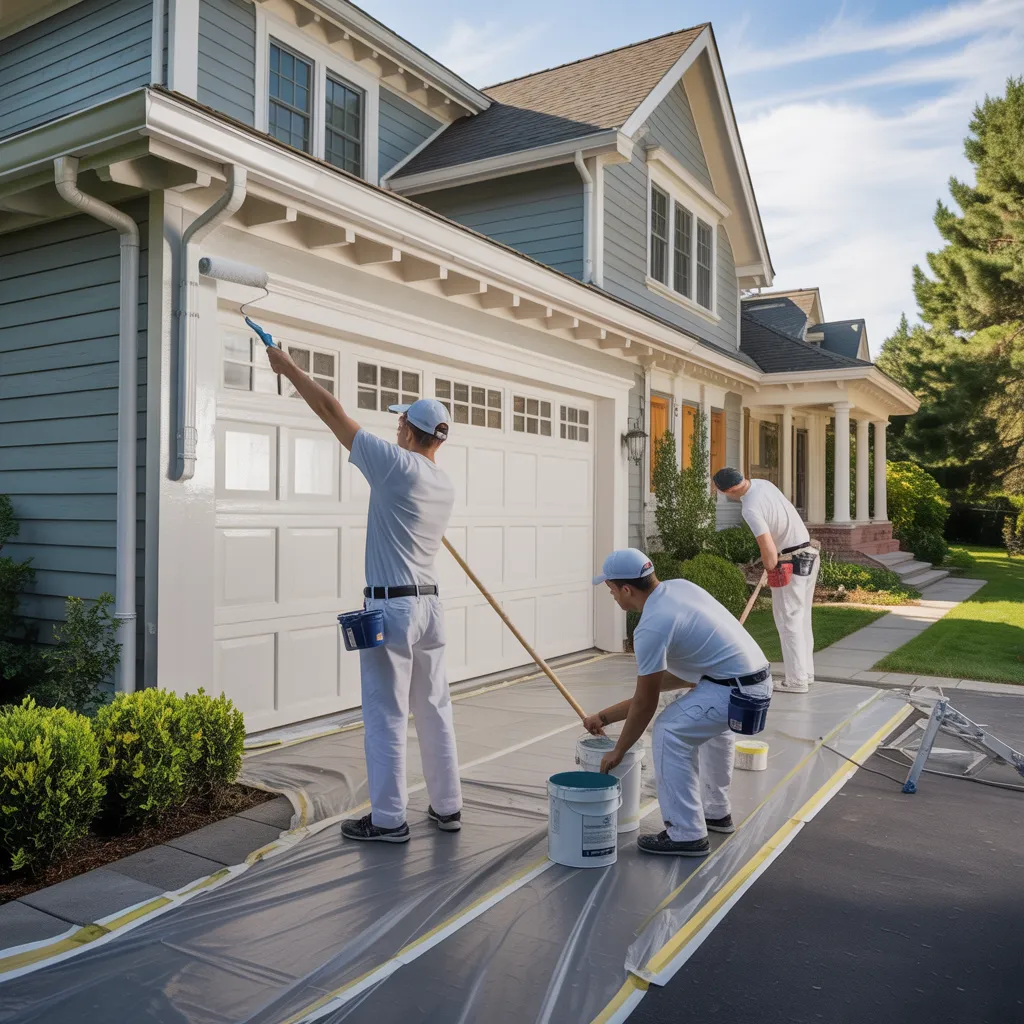
To secure a smooth painting endeavor, surface protection is crucial. Professional painting services usually start by assessing the site to determine which surfaces need to be shielded, such as floors, furniture, and fittings. They frequently utilize drop cloths or protective sheeting to cover flooring and furniture, eliminating the risk of paint spills and drips. Furthermore, painters often tape borders and trim to guarantee clean lines and minimize the risk of accidental overspray. Particular attention is paid to sensitive surfaces or spaces needing additional care. By implementing these safeguarding steps, professional painters create a conducive environment for their work, making certain the final outcome satisfies the homeowner's standards while upholding the quality of the property's existing surfaces.
Why Surface Preparation Is Critical to Achieving a Flawless Finish
While many may underestimate the importance of surface preparation, it plays a fundamental role in achieving a flawless finish in painting projects. Thorough preparation includes repairing, cleaning, and sanding surfaces to guarantee they are uniform and clear of defects. This essential phase helps paint adhere better, reducing the likelihood of peeling or chipping over time.
Insufficient preparation may result in uneven surfaces that undermine the overall look of the finished product. Dust, grease, or old paint can act as barriers that stop new paint from adhering properly, causing a poor visual outcome. Moreover, detecting and resolving any underlying problems, such as structural damage or mold, is crucial for securing lasting durability.
In the end, dedicating time and effort to surface preparation establishes the groundwork for a polished, professional outcome. By focusing on this essential step, clients are rewarded with an attractive, durable finish that improves their space and showcases skilled workmanship.
Which Painting Approaches Will Be Employed?
When considering methods of painting, several techniques can greatly influence the final outcome. The selection of brush and roller methods, as well as the use of spray painting techniques, serves a critical function in obtaining the results you want. Moreover, special finishes can improve the visual appearance, making familiarity with these alternatives crucial for informed decisions.
Brush Vs. Roller Methods
Choosing between the brush and roller techniques can considerably influence the result of a painting endeavor. Brushes excel at intricate work, such as tight corners and edges, allowing for precision and control. They also are highly effective in covering textured surfaces, ensuring that every crevice is covered. However, rollers are favored for larger areas due to their efficiency and speed. They can quickly cover large areas, delivering a smooth result with fewer visible brush strokes. The decision between these tools often is determined by the specific requirements of the project, including the kind of surface, desired finish, and the experience of the painter. In the end, each tool plays a key role in delivering a polished and high-quality outcome.
Spraying Techniques Explained
Spraying techniques offer a different way of applying paint, making them especially effective for broad areas and complex designs. This approach uses purpose-built tools that convert paint into tiny droplets, allowing for an even and smooth application. Frequently employed in both home and business environments, spraying can substantially decrease the duration needed versus traditional methods. Methods including airless spraying and HVLP systems are widely favored options, with each providing specific advantages. Airless sprayers provide high pressure for thicker coatings, while HVLP systems reduce unwanted overspray, rendering them suitable for intricate applications. Understanding these techniques helps clients appreciate the efficiency and quality of results achieved, confirming their painting work fulfills expectations.
Special Finishes Overview
Special finishes elevate the aesthetic appeal of a painting project, providing distinctive textures and visual elements. Approaches such as faux finishes imitate the look of organic materials, including marble or wood, introducing depth and refinement. Metallic coatings offer a lustrous quality, maximizing light and achieving a sleek modern appearance. Aged finishes, commonly applied in rustic environments, convey a vintage appeal by replicating the effects of age and use. Moreover, textured finishes can generate tactile surfaces that attract the eye and welcome interaction. Each special finish requires skilled application to achieve the desired look, making certain that the finished product reflects the homeowner's vision. Knowledge of these approaches empowers clients to make educated selections that greatly enhance their living areas.
What Happens on Painting Day
What occurs on painting day can heavily affect the entire experience for residents. Upon arrival, the team of painters typically performs a walkthrough to review details and answer any last-minute questions. Residents can anticipate the team will get the space ready, which involves moving furniture, placing down protective coverings, and taping edges to guarantee clean lines.
After preparations have been finalized, the actual painting begins. Experienced painting teams usually commence at ceilings, followed by trim and walls. Residents may see the team proceeding systematically, using targeted approaches to achieve the desired finish. Ongoing communication is essential; painters regularly keep homeowners informed on developments and any unforeseen challenges that might come up.
During the day, residents might encounter certain noise levels and paint fumes, so it is best to stay clear of the work area. Ultimately, a well-organized painting day sets the stage for a remarkable change in the living space.
What Does Post-Painting Clean-Up Include?
After the last stroke of paint has dried, the post-painting clean-up process commences, making certain that the area is left neat and ready for use. Expert painting services generally include several key steps in this phase. To begin, painting professionals will carefully take away protective sheets from surfaces and furniture, making sure no remnants of tape or cloth remain. Subsequently, they will tackle any paint splatters or drips, utilizing the proper cleaning agents to bring surfaces back to their prior condition.
Furthermore, all painting tools, brushes, and containers are cleaned and packed away, reducing clutter. The team will also conduct a thorough inspection of the area to verify that no details have been overlooked. To conclude, waste disposal is handled responsibly, with excess paint and supplies removed in compliance with local regulations. This thorough cleanup process not only improves the aesthetic quality of the freshly painted area but also reflects the high standards of the painting team.
Finishing Touches: Guaranteeing Your Satisfaction
Now that the clean-up has been completed, the attention turns to the last steps that secure client satisfaction. This step requires a comprehensive inspection of the painted surfaces, ensuring consistent application and steady color tone throughout. Painters diligently check for any skipped sections or blemishes, addressing these swiftly to preserve the overall quality.
Interaction plays an essential role in this phase; painters frequently connect with clients to ensure their needs are satisfied. Homeowners are welcome to voice any concerns or request adjustments, fostering a collaborative environment.
In addition to visual inspections, the crew may add finishing touches or protective treatments as needed, ensuring lasting performance. When all aspects meet expectations, painters generally offer upkeep recommendations, enabling homeowners to preserve their updated space with confidence.
When all is said and done, these last refinements reinforce the client's full experience, transforming a simple service into a lasting partnership grounded in excellence and satisfaction.
Popular Questions We Receive
What Is the Lifespan of the Paint Once the Job Has Been Completed?
Usually, paint endures anywhere from five to ten years, based on factors like environmental conditions, surface preparation, and paint quality. Proper application and regular maintenance can considerably prolong its life, delivering an enduring finish.
Are There Eco-Friendly Paint Solutions Available for My Project?
Green paint alternatives are broadly available for numerous applications. These paint varieties commonly include minimal volatile organic compounds (VOCs), rendering them more beneficial for the environment and the quality of indoor air, while still providing excellent coverage and durability.
What Should I Do if I Want to Change My Colors?
Should a client wish to alter their color selections, the painting company typically accommodates the request, frequently necessitating a conversation regarding possible delays and extra expenses. Clear refer to this page communication guarantees a satisfactory outcome for all parties involved.
Is It Possible to Remain in My Home During Painting?
Homeowners may stay in their homes while painting projects are underway, even though it may cause some inconvenience. Protective precautions and adequate ventilation are used to minimize disruption, yet certain spaces may be temporarily off-limits or require relocation to ensure safety.
How Do You Handle Furniture and Belongings During the Painting Process?
During the painting process, expert technicians generally shift or shield household items and possessions with protective materials. This ensures that possessions are kept safe while enabling the professionals to work in all spaces effectively and carefully, elevating the standard of the finished work.